
微信添加展会顾问免费咨询参展服务! 热线:400 006 2327

微信添加展会顾问免费咨询参展服务! 热线:400 006 2327
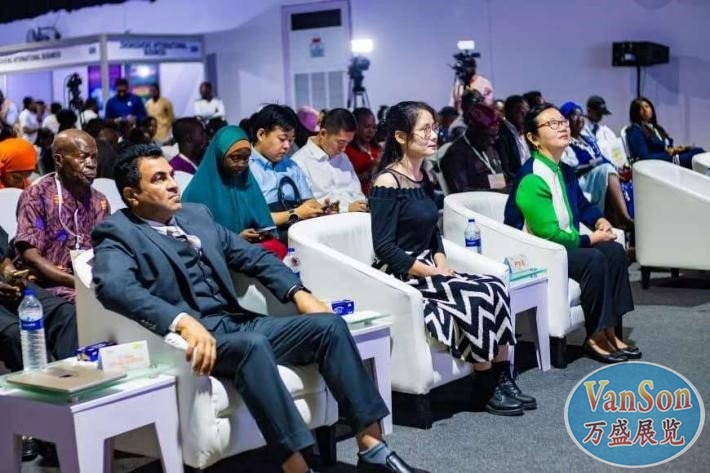
Nigeria International Powr Energy Expo 2026
Key information of the exhibition
Exhibition Name: Nigeria International Power & Energy Expo
Exhibition Name (English) : Nigeria International Power Energy Expo
Event cycle : Once a year
Venue: Landmark Centre, Lagos, Nigeria
Organizer: ZhongSheng International Business (Zhongshan) Co., Ltd.
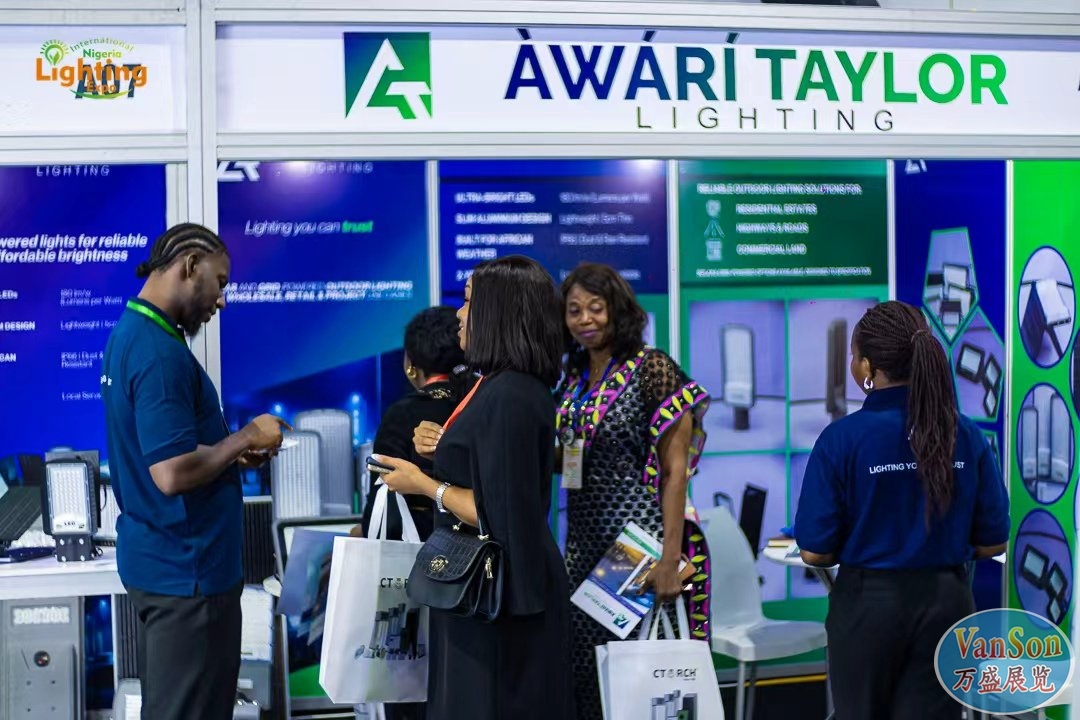
Concurrent exhibition : Held concurrently with the Nigeria International Lighting Expo, creating a synergistic effect of "electric energy + lighting" as dual themes.
platform that brings together top professionals in the global power and energy industry, the exhibition is committed to promoting the innovative development and resource integration of the power and energy industry in Nigeria and West Africa. By building an efficient bridge for connection, it significantly enhances Nigeria's industry status and global image in the international power and energy field.
Exhibition Scale Highlights - Expected to attract 200+ high-quality exhibitors*, covering core enterprises across the entire power and energy industry chain , precisely connecting with 8,000+ professional buyers , covering core demand groups such as engineering procurement, project development, and channel distribution . Market Reach and Strategic Significance: Exhibitors (from 28 countries and regions) can leverage the exhibition's strong industry influence to deeply penetrate the markets of ECOWAS member countries such as Ghana and Côte d'Ivoire, helping companies achieve a strategic layout of "based in Nigeria, deeply cultivating the entire West African market," and seizing new opportunities for development in the West African power and energy industry .
Famous brands include: DEYE VANGE, OBST, BLUE CARBON, VELLMAX, XTRA POWER, CTORCH, ST, SZSG, WINWIN, etc.
VIII . Market Overview
Nigeria's power energy market is characterized by a significant supply-demand imbalance, enormous potential for renewable energy, and increasing policy support. The following is a market analysis based on comprehensive information:
1. Current Supply and Demand Situation
· faces a severe power shortage: with a total population of over 230 million, the country's power generation capacity is only about 4.5 million kilowatts, while actual demand is as high as 20 million kilowatts, resulting in a shortfall of over 75%. Several nationwide power grid collapses occurred in 2025, with some areas receiving only 5-6 hours of electricity per day, and 40% of the population lacking stable power supply.
· The energy structure is unbalanced: power generation is mainly from natural gas (80%), hydropower accounts for 15%, and the remainder comes from distributed power sources such as solar energy and diesel generators. The south has abundant natural gas resources but insufficient extraction and transportation capacity, while the north relies on hydropower, which suffers from power shortages during the dry season.
2. Renewable Energy Potential
· boasts abundant solar energy resources: the average annual sunshine duration is 1700-2200 kWh/m², with over 2600 hours of sunshine per year. The potential for photovoltaic resource development exceeds 1000 GW, far surpassing the current total installed capacity of 12 GW nationwide.
· Policy-driven transformation: The government plans to achieve a 30% share of renewable energy (i.e., 9GW) by 2030, of which photovoltaic (PV) needs to contribute 6GW of installed capacity; by 2050, the share of renewable energy will increase to 70%, with a photovoltaic installed capacity target of 35GW.
· Renewable energy development potential: Nigeria has a technically exploitable hydropower capacity of approximately 10,000 MW, but current development levels are low. In addition, the utilization of renewable energy sources such as solar and biomass energy is gradually progressing. Renewable energy can not only alleviate the problem of insufficient grid infrastructure but also reduce dependence on imported energy and improve energy security.
3. Market demand driven
· Strong industrial and commercial demand: Power shortages have led over 80% of industrial enterprises and 65% of commercial establishments to rely on diesel generators for electricity, resulting in high costs. The cost per kilowatt-hour of photovoltaic (PV) + energy storage systems is only 1/5 to 1/3 of that of diesel generators, making it an inevitable choice for enterprises to reduce costs. In the fourth quarter of 2024, the installed capacity of PV energy storage in the manufacturing sector increased by 92% year-on-year.
· The residential energy storage market is booming: The residential energy storage market size will reach US$1.8 billion in 2024, with small systems of 3-10 kWh accounting for 65%, mainly used for lighting, mobile phone charging and power supply for small home appliances; medium and large systems of 10-20 kWh are growing at a rate of over 120%, and are suitable for high-power appliances such as air conditioners and refrigerators.
4. Policy Support and Opportunities
· Tariffs and tax incentives: Zero tariffs on the import of core equipment such as photovoltaic modules, inverters, and energy storage batteries; import value-added tax reduced from 7.5% to 0%. For companies engaged in photovoltaic energy storage business, corporate income tax is reduced from 30% to 15% for the first three years; if the project is located in rural areas, the tax reduction period can be extended to 5 years.
· International funding support: The World Bank has approved a $470 million low-interest loan, and the African Development Bank has provided a $300 million credit line to support off-grid photovoltaic energy storage projects and the construction of photovoltaic microgrids in rural areas.
· International Cooperation and Technology Transfer: Nigeria actively seeks international partners to attract foreign investment and technological support. For example, it has undertaken cooperative projects with Chinese companies in areas such as photovoltaics and energy storage, such as the hydro-solar hybrid project of China Power Construction International. International investment and the introduction of advanced technologies help improve the technological level and operational efficiency of Nigeria's power sector.
9. Why Nigeria ?
Since the establishment of formal diplomatic relations in February 1971, China and Nigeria have maintained a long-standing friendly relationship. In recent years, frequent high-level visits have continuously consolidated the friendly relations between the two countries, and bilateral economic and trade cooperation has yielded fruitful results. Trade volume has expanded rapidly, engineering contracting has achieved leapfrog development, and Chinese investment in Nigeria has increased significantly. As of February 2024, Nigeria was China's second-largest export market, second-largest trading partner, largest engineering contracting market, and major investment destination in Africa.
▌Large and Rapidly Growing Population : Nigeria is the most populous country in Africa, with over 230 million people, accounting for more than half of the total population of West Africa. As of 2025, the national electrification rate is approximately 62%, a slight increase from previous years, but about 84 million people still lack access to a stable power supply—a figure exceeding the entire population of Germany. In terms of power generation structure, Nigeria's total installed capacity is approximately 12,000 MW, but the actual stable output is only between 4,000 and 5,000 MW, far from meeting demand. The energy structure is dominated by natural gas, accounting for about 80% of actual power generation, with hydropower contributing about 15%, and the remainder from distributed power sources such as solar and diesel generators. Aging power grid infrastructure, unstable natural gas supply, and high transmission losses remain the main bottlenecks restricting the reliability of its power supply.
▌Accelerated Urbanization : Nigeria's urbanization rate is continuously increasing, and the proportion of its population living in cities is rising. This increase in urban population will create enormous demand for urban infrastructure construction and renovation, particularly in areas such as photovoltaic modules, inverters, solar energy, and photovoltaic + energy storage systems .
▌Infrastructure development is lagging : Total power generation has remained stable at 35-39 TWh in recent years, which is insufficient to meet the needs of population growth and urbanization. Power facilities are aging, the power grid is incomplete, and some power plants operate inefficiently.
The government is pushing for demonstration reforms in the power industry and encouraging private investment. In 2023 , it approved the Electricity Act to promote the development of clean energy, but private investment participation remains low.
The natural advantages of Chinese enterprises
1. Technological and Cost Advantages : China holds a leading global position in new energy technologies such as photovoltaics and energy storage, enabling it to provide Nigeria with efficient and low-cost solutions. For example, Chinese photovoltaic modules and energy storage equipment offer high cost-effectiveness, with a lower levelized cost of electricity (LCOE) than diesel generators, making them particularly suitable for Nigeria's off-grid and microgrid markets. Furthermore, Chinese companies have accumulated extensive experience in distributed photovoltaic power plant construction and smart grid technologies, enabling them to quickly respond to Nigeria's energy needs .
2. Engineering Contracting and Project Experience : Chinese companies possess strong capabilities in infrastructure construction, having participated in numerous large-scale power projects in Nigeria, such as the Zongru Hydropower Station and the Lagos Solar Power Station. These projects have not only enhanced Nigeria's power supply capacity but also provided Chinese companies with valuable local market experience, strengthening cooperation and trust with the Nigerian government and businesses .
3. Supply chain synergy : China possesses a complete new energy industry chain, from photovoltaic modules and inverters to energy storage batteries, enabling localized production and assembly. Establishing a production base in Nigeria can reduce transportation costs, improve supply chain efficiency, and simultaneously boost local employment and industrial development. For example, the photovoltaic module assembly plant built by Chinese companies in the Lagos Free Trade Zone leverages the zero-tariff policy of the African Continental Free Trade Area to reach the West African market.
4. Policy and Financing Support : The Chinese government provides policy support and financing facilitation for China-Nigeria power and energy cooperation through platforms such as the Belt and Road Initiative. For example, the Export-Import Bank of China provided a $2 billion loan for Nigeria's supergrid project, and financial institutions such as the Asian Infrastructure Investment Bank (AIIB) have also participated in financing Nigeria's new energy projects. Furthermore, the Nigerian government offers tax breaks and feed-in tariff subsidies for renewable energy projects, creating a favorable investment environment for Chinese companies.
10. Scope of Exhibits
◆ Power equipment: power plant equipment, transformer equipment and power transmission equipment, high and low voltage electrical switches, power control system testing equipment, cable and wire materials, generator set equipment; cable control equipment, capacitors, etc.
◆ Power Energy Saving Products Exhibition Area: High, medium and low voltage frequency converters, high, medium and low voltage variable frequency speed control technology and products, high-efficiency intelligent energy-saving devices, motor energy savers, energy-saving controllers, power demand-side management technology
◆ New and renewable energy sources: biomass energy, geothermal, solar and thermal energy, wind energy, tidal energy, energy facilities management systems
◆ Photovoltaic Energy: Solar photovoltaic and photovoltaic systems, bioenergy, renewable energy , outdoor lighting
◆ Solar Photovoltaic Products Exhibition Area: Solar streetlights, lawn lights, courtyard lights, navigation lights, traffic lights, traffic warning lights, solar information displays, and other solar products.
◆ Power Generation Technology and Equipment Exhibition Area: Generators, backup power supplies, power plant equipment, clean power generation technology, energy conservation and environmental protection in power plants
Contact Us:
Zhongshan Wansheng Exhibition Co., Ltd.
ZhongSheng International Business (Zhongshan) Co., Ltd.
[ Contact Person ] Lin Xueying (LISA LIN)
[ Mobile WhatsAPP ] +86 13420079909
Email address : fair@ws-expo.com
Website:www.NileExpo.com
Telephone: 0760-85333991 / 400 006 2327
Address: Service Building, International Convention and Exhibition Center, Torch Development Zone, Zhongshan City, Guangdong Province
Nigeria International Powr Energy Expo 2026...
2026年第24届韩国国际LED& OLED照明展览会,展出产品范围: (1)LED和...
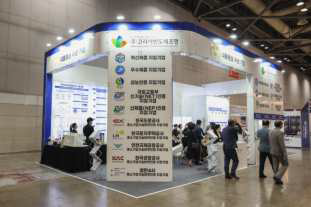
展出产品范围:LED和OLED材料/部件/设备区:芯片、封装、模块、紫外芯...

2026年尼日利亚国际照明展览会Nigeria International Lighting Expo...